
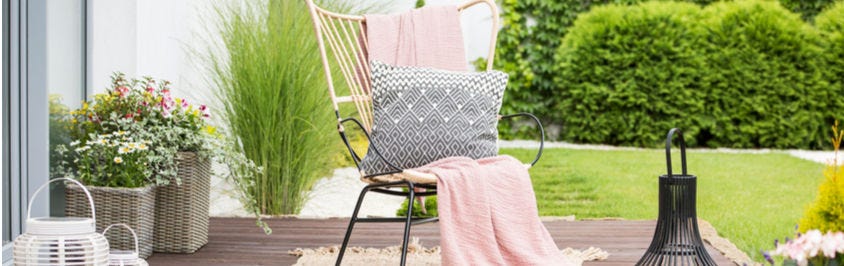
Quick answer: Prioritising your outdoor space can improve saleability, strengthen everyday functionality, and help protect the house itself from avoidable issues such as poor drainage, unstable ground, and failing boundaries. In practical terms, the most valuable upgrades are usually the “hard landscaping” elements first — paving, fencing, structural timber, sleepers, and decking — because they create the permanent framework of the garden.
Key takeaways
- Well-planned outdoor upgrades can improve property appeal, usability, and long-term resilience
- Hard landscaping usually adds more dependable value than decorative planting alone
- Drainage, levels, and boundary stability are not just aesthetic issues — they affect the house too
- Fencing, paving, sleepers, decking, and garden buildings all add value in different ways
- Durable materials usually cost more upfront, but often reduce lifetime repairs and replacement
- The best results come from prioritising structure first, decoration second
Prioritising your outdoor space is not just an aesthetic choice — it is a strategic financial and practical decision. A well-planned exterior can improve property value, increase how much of the home feels usable, and reduce the likelihood of longer-term structural problems linked to drainage, ground movement, or neglected boundaries.
From a buyer’s perspective, a garden that feels finished, secure, and functional makes a home easier to picture living in. From a homeowner’s perspective, it makes the space work harder every day.
1. The Financial Case: Why Outdoor Space Adds Value
In the UK property market, “curb appeal” is not just a styling term — it influences first impressions, perceived upkeep, and buyer confidence. The exterior is the first part of the property that people see, and it often shapes expectations for everything inside.
A neglected outdoor space can suggest future cost, hidden maintenance, or unfinished work. A well-kept one sends the opposite message: that the property has been looked after and is ready to use.
Hard landscaping vs soft landscaping
If you are trying to prioritise your budget, hard landscaping generally deserves attention first.
Soft landscaping — lawns, borders, planting — can add seasonal beauty and soften the look of a space. But hard landscaping creates the permanent “bones” of the garden:
- patios and paved areas
- fencing and boundaries
- sleeper walls and edging
- decking and level changes
- paths, steps, and transitions
These elements shape how the garden functions and how much work a buyer or owner thinks is still left to do.
Pro tip: Start with what’s permanent
Patios, fencing, sleepers, levels and drainage usually affect both value and usability more than decorative planting alone. Get the structure right first, then style the space around it.
2. Structural Integrity: Preventing Long-Term Damage
Prioritising your outdoor space is often a matter of maintenance as much as improvement. Many exterior upgrades protect the house itself by managing water, soil movement, and boundary pressure.
Drainage and surface management
One of the most common exterior issues is water collecting too close to the house. Poor falls, blocked channels, and badly planned surfaces can all contribute to standing water near walls and thresholds.
By installing paving with proper falls and suitable drainage channels, rainwater is directed away from the building rather than pooling where it can cause problems over time.
Soil retention and stability
In gardens with changes in level, sleepers and retaining features are not just decorative. They help hold soil in place, control movement, and stop earth washing into paths, patios, and boundaries.
If ground movement is ignored early, the cost of repair usually rises quickly — especially where it begins to affect walls, fences, or neighbouring land.
Pro tip: Follow the water
If you want to know what needs prioritising first, check the garden during or just after heavy rain. Pooling water, washed-out edges, and damp zones usually show you where value is being lost.
3. Material Selection: Why Trade-Grade Quality Matters
A common mistake in domestic projects is choosing materials based only on the cheapest initial price. But for outdoor work, long-term performance matters just as much as day-one cost.
The UK climate is demanding: rain, freeze-thaw cycles, shade, and changing temperatures all put pressure on outdoor materials. Better-quality products usually perform more consistently and need less rework over time.
Timber treatments: why specification matters
Where timber is going to be close to the ground or regularly exposed to moisture, treatment level matters. This is especially important for:
- posts
- sleepers
- retaining structures
- subframes and supporting timbers
Using timber designed for the right exposure level can dramatically reduce the “total cost of ownership” over the life of the project.
Why product choice affects value
The same logic applies across the garden:
- paving should suit the slip and wear demands of the space
- fencing should be specified for durability and stability
- sleepers should be fit for retaining or edging use
- decking should suit the level of maintenance the homeowner actually wants to do
| Garden element | Why it adds value | Typical product focus |
|---|---|---|
| Fencing | Defines boundaries, improves privacy, boosts security, and helps a plot feel finished | Panels, posts, gravel boards, trellis, gates |
| Paving | Creates practical, stable usable space and improves first impressions | Patios, paths, edging, jointing, drainage |
| Sleepers | Supports level changes, retains soil, and gives structure to awkward or sloped gardens | Raised beds, retaining edges, terraces, steps |
| Decking | Adds level outdoor living space and helps make difficult ground more usable | Timber or composite boards, subframes, steps, balustrades |
| Garden buildings | Increases functional use of the plot for work, storage or leisure | Sheds, summerhouses, workshops, studios |
4. The Security Factor
Fencing is often left until the end of a project, but for many homeowners it is one of the highest-value improvements in the whole garden.
A well-built fence line improves:
- privacy
- boundary definition
- acoustic screening
- family and pet security
- overall “saleability” of the home
Where fencing is leaning, patchy, storm-damaged, or clearly uneven, buyers often see future cost immediately. A strong, straight, finished boundary does the opposite.
5. Expanding the Footprint: Outdoor Rooms and Zoned Living
Outdoor space adds the most value when it feels usable rather than leftover. That is why zoning matters.
The social zone
A deck or patio close to the house creates a natural place for seating, dining, and entertaining. This strengthens the indoor-outdoor link and helps the garden feel like an extension of the home.
The professional zone
Garden buildings such as sheds, summerhouses, and workshops can create separate space for work, storage, or hobbies. This can be especially valuable where indoor space is tight.
The transition zone
Paths, steps, and paved links between areas help the whole garden feel deliberate and easier to navigate in all weather.
Pro tip: Think in zones, not just products
A patio, deck or garden building adds more value when it clearly improves how the garden works. Plan around uses like dining, storage, privacy and access — not just materials in isolation.
6. Balancing Aesthetics and Functionality on a Budget
A high-value garden project does not always mean the most expensive finish everywhere. Often, the smartest approach is to prioritise purpose over complication.
Focus on foundations
It is usually better to have a smaller patio, stronger fence line, or shorter retaining section built properly than a larger scheme that has been under-specified to save money.
Match the product to the job
Do not over-engineer a simple path — but do not under-engineer a retaining wall, driveway, or structural step. The “right” spend depends on what the feature has to do.
Avoid waste through planning
Accurate measuring, quantity calculation, and using the correct supporting materials from the start all help avoid over-ordering, under-ordering, and unnecessary rework.
Expert advice: the off-season audit
The best time to decide what needs doing outside is often when the garden is at its worst. Winter and wet weather make hidden problems easier to spot.
Look for:
- standing water after heavy rain
- cracked paving or loose joints
- leaning fence posts
- shifting sleepers or edging
- muddy access points
- areas where the garden simply does not work well
Fixing these issues early usually costs less than leaving them until they begin to affect the house, the boundaries, or the usability of the garden.
Pro tip: The wettest day is often the best audit day
If you want to know where the garden is costing you value, walk it during bad weather. Water, movement and weak points show up much more clearly then than on a dry summer afternoon.