
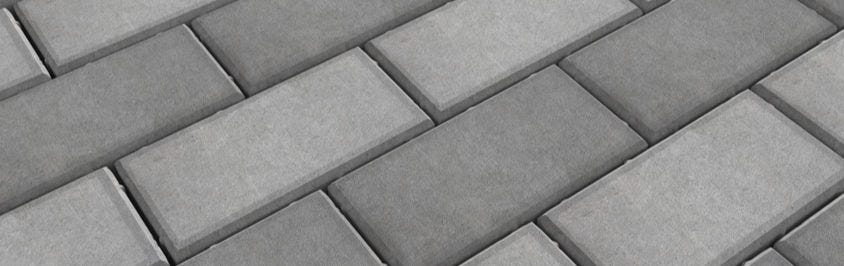
Keep your block paving looking fantastic all year round by a bit of DIY sealing. This sealing process will help protect your paving from nasty elements, limit weed growth and ensure your paving looks in perfect condition. In this blog we look and share best practices for sealing block paving.
How to seal your block paving to prevent weed growth
To be able to seal your block paving, its essential to clean, sand and then seal the joints. Clean the paving and joints by scrubbing them, and once this is dry, you need place kiln-dried sand on the joints. Make sure you brush off any excess sand and then apply the sealer on the joints for protection.
Below you can find our simple guide on how to seal your block paving:
Materials and tools required
- Joint Sealer
- Kiln-Dried Sand, Jointing Sand or try Marshalls Weatherpoint
- Pressure Washer
- Sealer Roller Kit
- Broom
- Disposable gloves (to keep hands cleans)
Step 1
Deep clean your paving and the joints! This can be done using a pressure washer and a brush to remove as much dirt, debris and most importantly those annoying weeds!
The reason why you should do a deep clean is to ensure that any debris, dirt and weeds have been removed as possible as this will allow the sealant to be its most effective when applied.
Step 2
Once you’ve cleaned your paving and joints with the pressure washer, allow the area to dry. We recommend you do a pressure washer clean around two weeks before planning to seal your block paving.
Step 3
Brush away any remaining dirt and weed – this is super important as you don’t want any kind of debris left in the joints and underneath the sealant. This will also limit the effectiveness of the sealant, so make sure you can remove as much as possible or all.
Step 4
Using kiln-dried sand our jointing sand refill the joints as the existing sand would have been washed away while cleaning.
Top tip – take a small amount of sand and layer on the joint and using your broom, brush over to ensure the sand is swept in.
Also, it’s important that if you’re going to be re-sanding, then you must seal on the same day to ensure the new sand is locked under the paving joints and is secure.
Step 5
Brush away the excess sand and make sure it is a consistent level. It should be no higher than the bottom of the v-joints.
At this stage, you’re ready to start sealing your block paving.
Step 6
Begin to roll on the first coat of the joint sealer using your roller kit. You may find on the first coat the coverage of the sealant isn’t as strong, but on your second coat it will be fine. Do take your time, as this is a long process to cover the whole area.
Let the first coat dry for approximately 1-2 hours (weather dependent).
Step 7
After allowing the first coat to dry, proceed onto rolling the second coat of the joint sealant. This will help increase coverage.
Step 8
Let the second coat dry for around 24 hours to see its full effect.
Related Articles